

material design
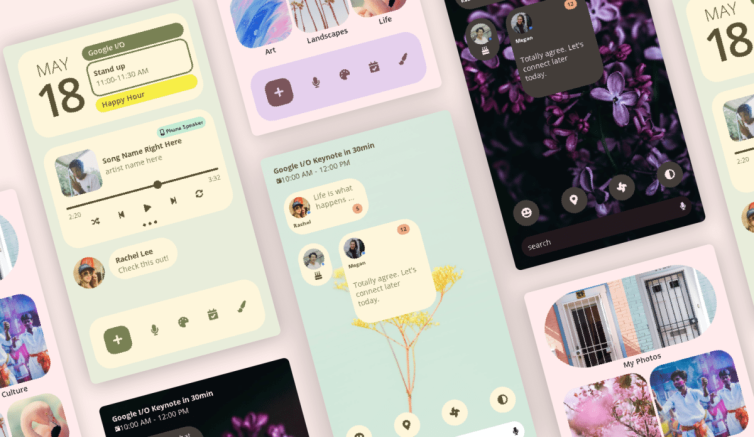

This is a library of the visual design of buttons and icons, the transition animations between pages (Transitions), the textures and shadows of each element on the page, and many other aspects.
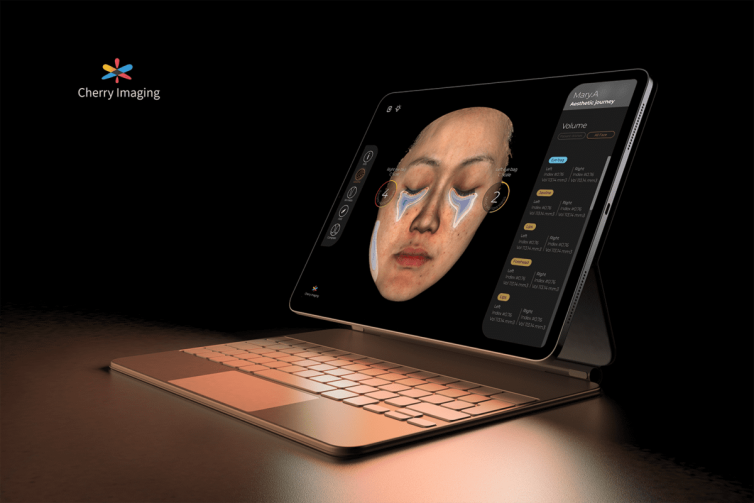
An excellent user experience overwhelms positive emotions and "stickiness" (stickiness) for the user that serve the business goals of the company and the distinct goals of the types of users.
Looking for a good app designer is not an easy task, there is quite a supply of "announced" app designers on the market, but only a small part of them will suit the task you have to do, why? So. Because designing an app is not just a technical task, there are many variables that will create the best result in the time you want. Here are some points that, if followed, will help you find the perfect app designer.
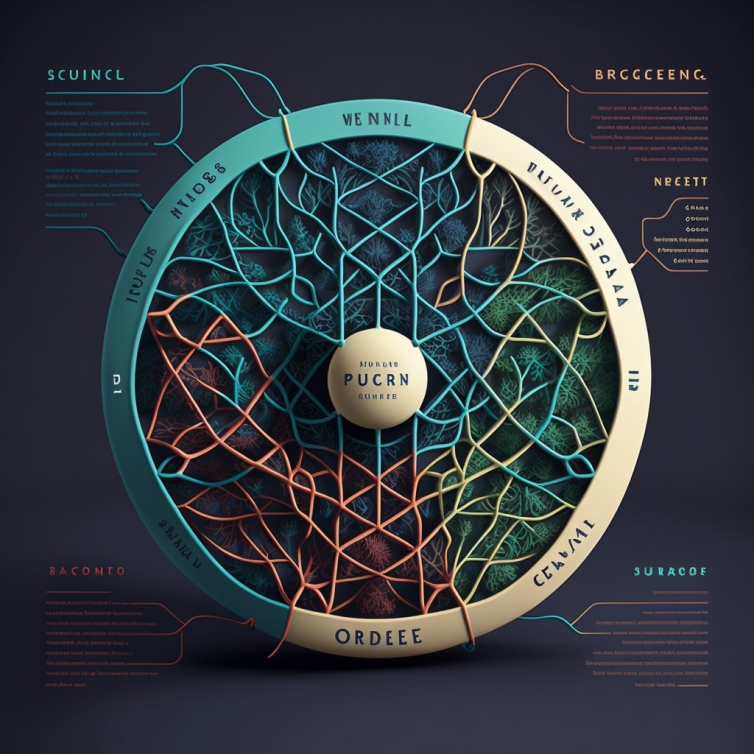
Investigation of a complex game is made possible by simplifying it to one of several general models amenable to mathematical analysis. The goal is to "solve" the game, that is, to identify the expected actions of the players or to indicate recommended actions for individual players or groups of players. Correctly predicting the behavior of the players may have meaning in reality - from Wikipedia
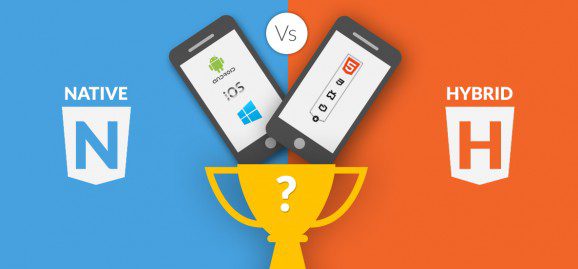
Native apps are focused on mobile platform IOS or Android using development tools and a supporting language. Native apps are built to get the most performance for the platform it serves.
HTML5 uses standard web technologies. This method of rapid development and the possibility of presentation from any device creates a Cross Platform application that allows you to work on different devices without developing for each device separately. While the development costs and time are small, the main perceived lack is the inability to use the device's native functionality (camera, security, calendar, geolocation and more)
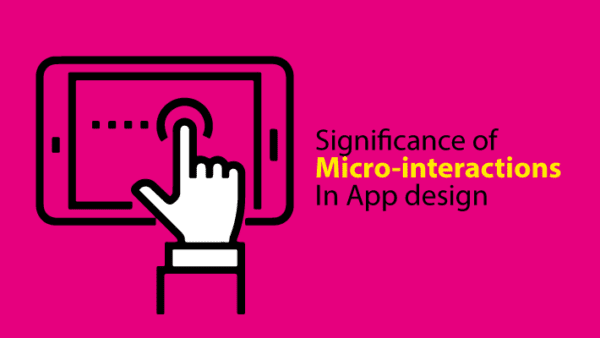
Micro-interactions are moments that have a unique effect around the achievement of one task, for example, clicking a registration form button...
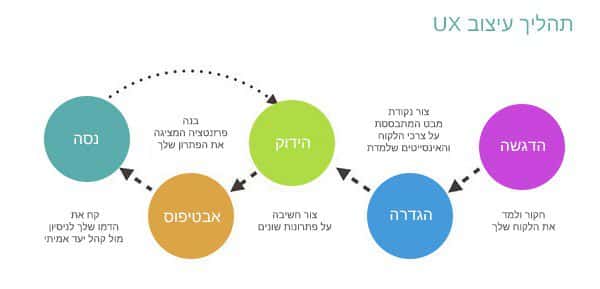
Do you have an idea for a product or service, and are you eager to get to business? Excellent! You have come to the right place. Before you spend time, money, and other energy, you should know a few things that will advance you and your product faster to the goal and, in the long run, will cost you less.
What is UX, and how can it serve you in your product design?
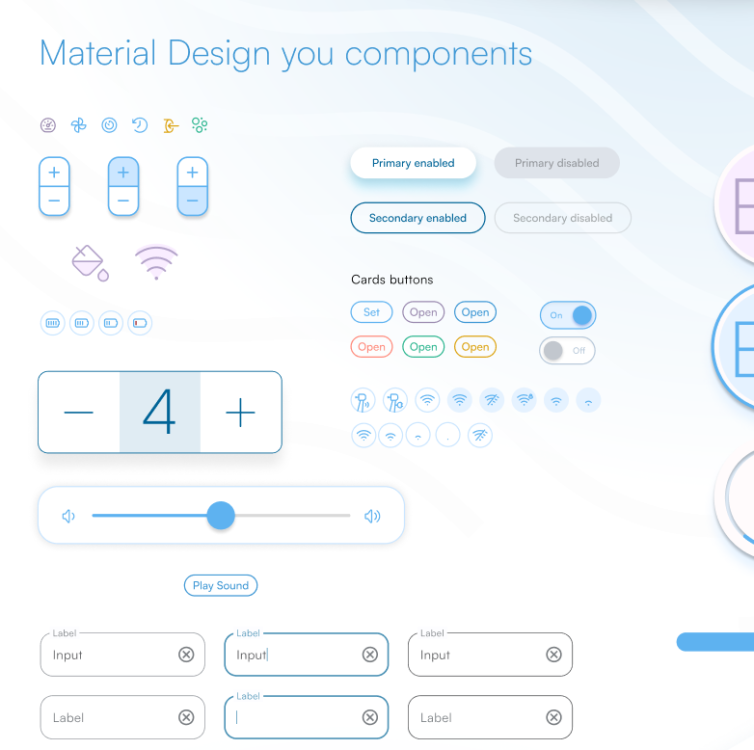
Google has taken it upon itself to create a visual language for users using the classic principles of excellent design with innovation with the help of technology and science. This language is called Material Design and you can find it in most of the most reputable and leading applications and websites in the world.
What sets Material Design apart is the attention to the pixel and the intuitive solution its architects came up with to create a simple and precise language to drive action.
Here are some of the most successful examples: